
Mini Marketing Case Study: Ultra-Processed Food Posing As Healthy
I was in my local health food shop the other day, doing my weekly shopping, when a new product caught my eye. A prebiotic soda with branding, front and centre, saying, “gut-healthy, low sugar, sparkling beverage.”
As someone who cares a lot about gut health, I was immediately interested in the idea. Unfortunately, when I flipped the can over to check the ingredient list, a very different story was being told.
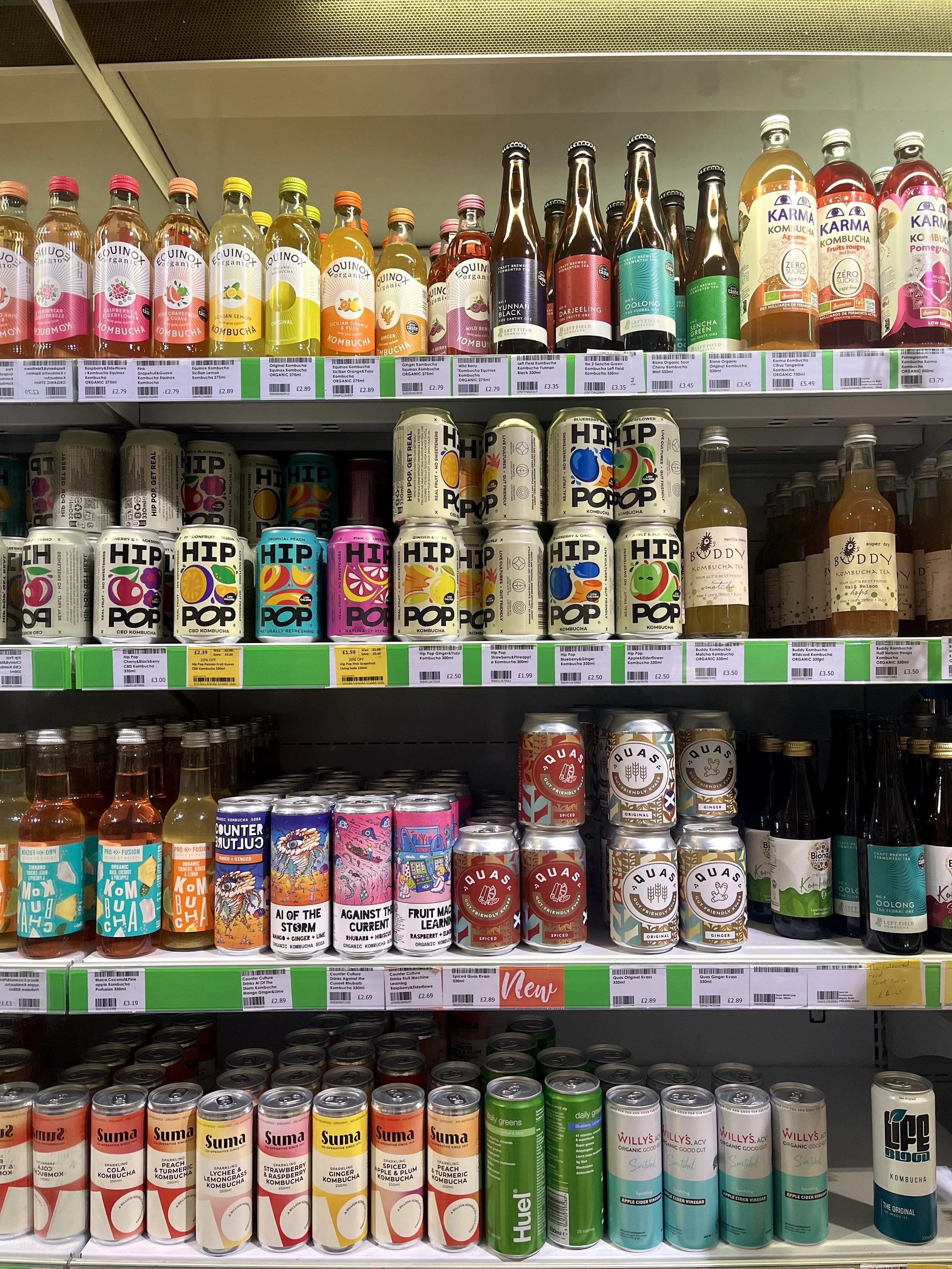
Check out all the buzzwords on the branding: “Organic,” “No Added Sugar,” “Gut Healthy”
Yes, it had live cultures, which are great for your gut microbiome, but it was also full of artificial sweeteners, natural flavors, and shelf stabilisers. These chemically created additives mean this product counts as an ultra-processed food (UPF), which is inherently bad for your gut health.
Sadly, this isn’t a one-time experience. As a traveler, I’m always looking for a healthy snack bar I can pack for my adventures. Every time I think I find a good option marketed as organic, high-protein, and fibre-rich, I discover that it has seed oils, added sugar, preservatives, and emulsifiers hiding behind the brand claims. Yuck.
Why Does This Matter In Marketing
This isn’t a nutrition blog, so why am I talking about UPFs and my disappointment in the health food industry?
It’s because “gut-healthy” food is the perfect example of a marketing issue I’m seeing: Anyone can make a marketing claim.
There are very limited regulations around branding statements, and the food industry knows it. Brands know consumers want to feel healthy. They want convenience without compromise. So instead of creating truly aligned products, many brands simply market that feeling.
They use buzzwords like “low-fat”, “organic”, and “all natural” to disguise the true ingredients.
The Problem: This Isn’t Just Food
This trend, which has been around in the food industry for a while, is starting to emerge in all industries.
We’re living in an era where everyone has a platform thanks to social media. It means there’s a lot of noise, misinformation, and inflated claims.
Anyone can say they’re an expert. Anyone can position themselves as “the best”. And there is no one regulating these marketing claims.
We see this all the time with:
Fitness influencers promoting programs that aren’t backed by science
Business coaches promising overnight success
Financial experts giving risky investment advice
But if you check the ingredient list of these so-called experts, they don’t align with these claims.
Here’s the issue: When consumers repeatedly feel misled, even subtly, it creates distrust. You may have noticed consumers are becoming more sceptical and harder to convert. That’s thanks to all the unsupported marketing claims they face every day.
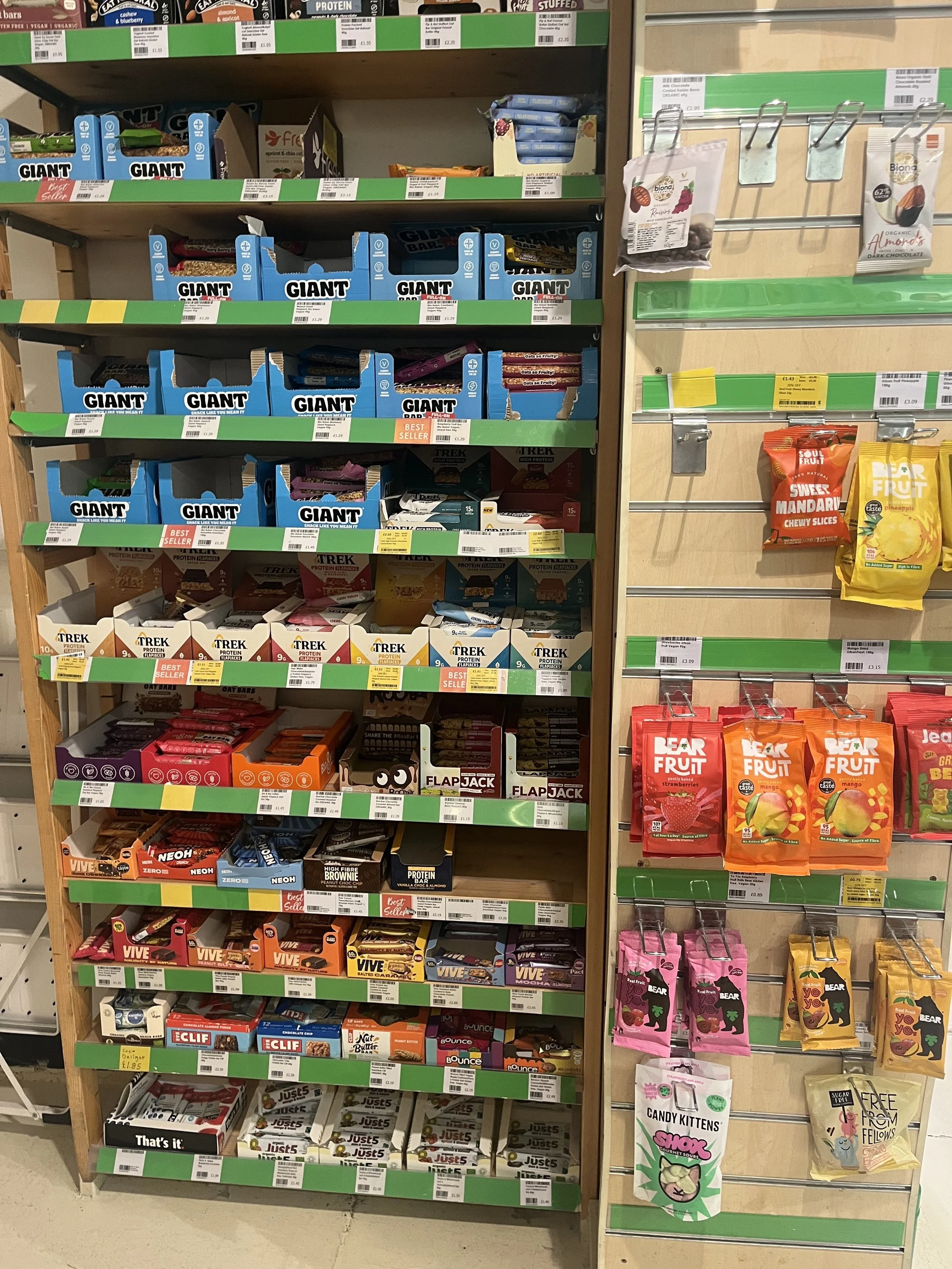
Protein bars are one of the biggest culprits for empty marketing claims
Marketing Takeaways: So What Should Your Brand Do?
If you’re making a marketing claim, and you want people to believe it, you need to show supporting evidence. Be transparent with your ingredient list. Here’s what you should do:
Audit your marketing claims: Look at your website, social media, and offers. Are you overstating anything? Could a customer feel misled?
Back everything up: Case studies, testimonials, certifications, degrees, proven results.
And if you’re struggling to back up your claim, you probably shouldn’t be making it. It’s okay to be honest about what your product or service isn’t. Transparency builds credibility.
Using Myself As An Example
Here is my ingredient list that supports my claim of being a marketing expert:
BSBA in Entrepreneurship & Marketing from Elon University
MPS in Marketing & Communications from Georgetown University
10 years of experience working with small businesses
Hands-on experience across sales, marketing, PR, and branding before becoming self-employed
Testimonials from dozens of happy clients
All of this supporting evidence is tangible, not subjective. It is verifiable proof of my brand claims, and it is easily seen on my website and social media profiles. I’m not just saying something; I can back it up.
Final Thoughts
Good marketing isn’t about saying the most appealing thing. It’s about supporting your claims to build consumer trust. Showcasing your skills is what actually converts and creates loyal customers.
No one wants to be the “gut-healthy” soda that’s actually full of junk.
