
Paola Rivas & The Women Transforming The World’s Most Dangerous Neighborhood
Medellín, Colombia, was once considered the most dangerous city in the world, with Comuna 13 at the heart of that violence.
Because of its troubled history, many people still believe it isn’t a safe place to visit. When older generations heard I was planning a trip to Medellín, I was met with warnings to be careful and questions about why I would even want to go. Their reactions made me curious. I wanted to understand the history of violence, drugs, and conflict, and why this city has now become one of South America’s fastest-growing tourist destinations.
The truth is that the outdated mindset no longer reflects the reality of Colombia.
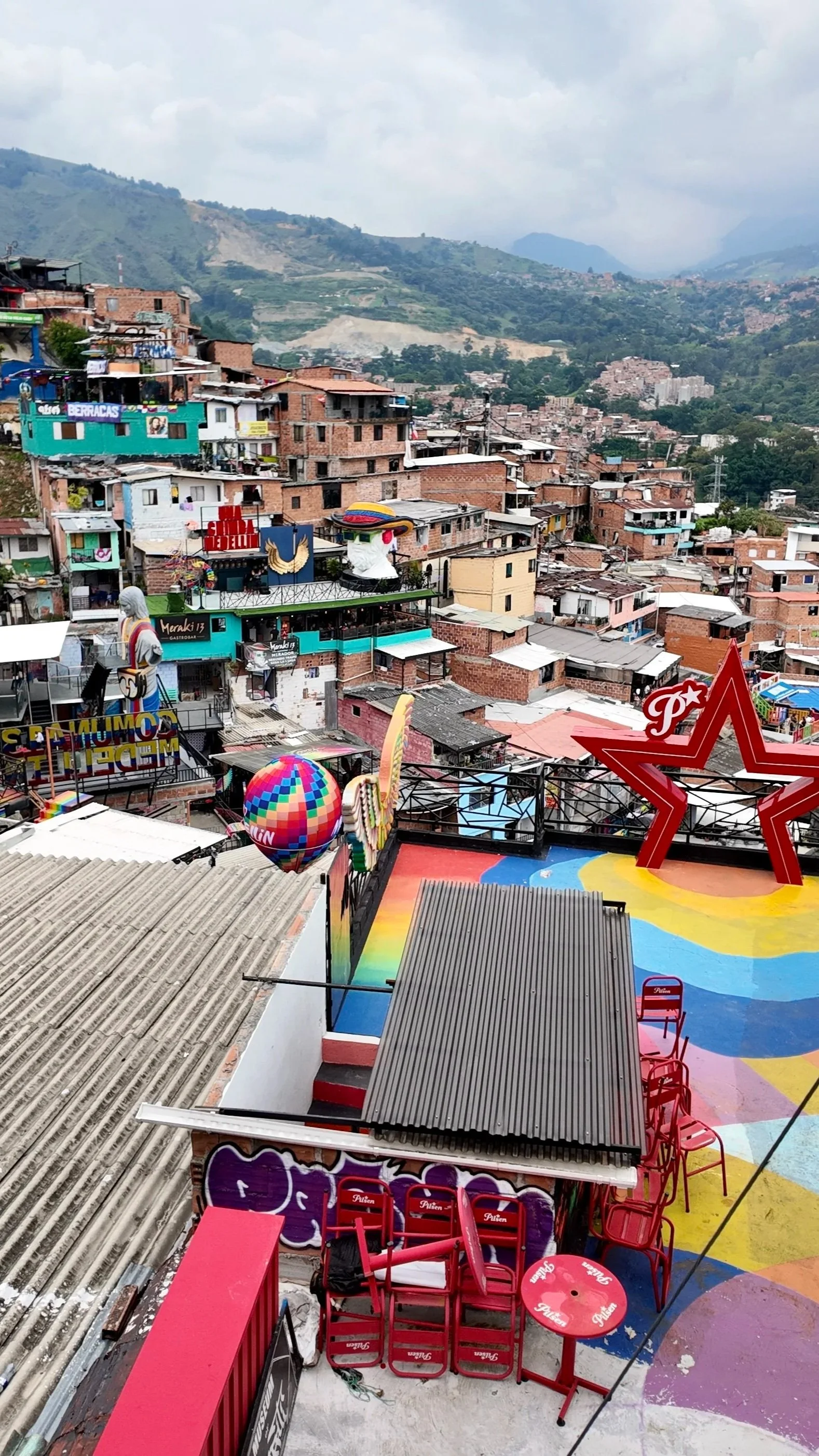
Comuna 13, Medellín
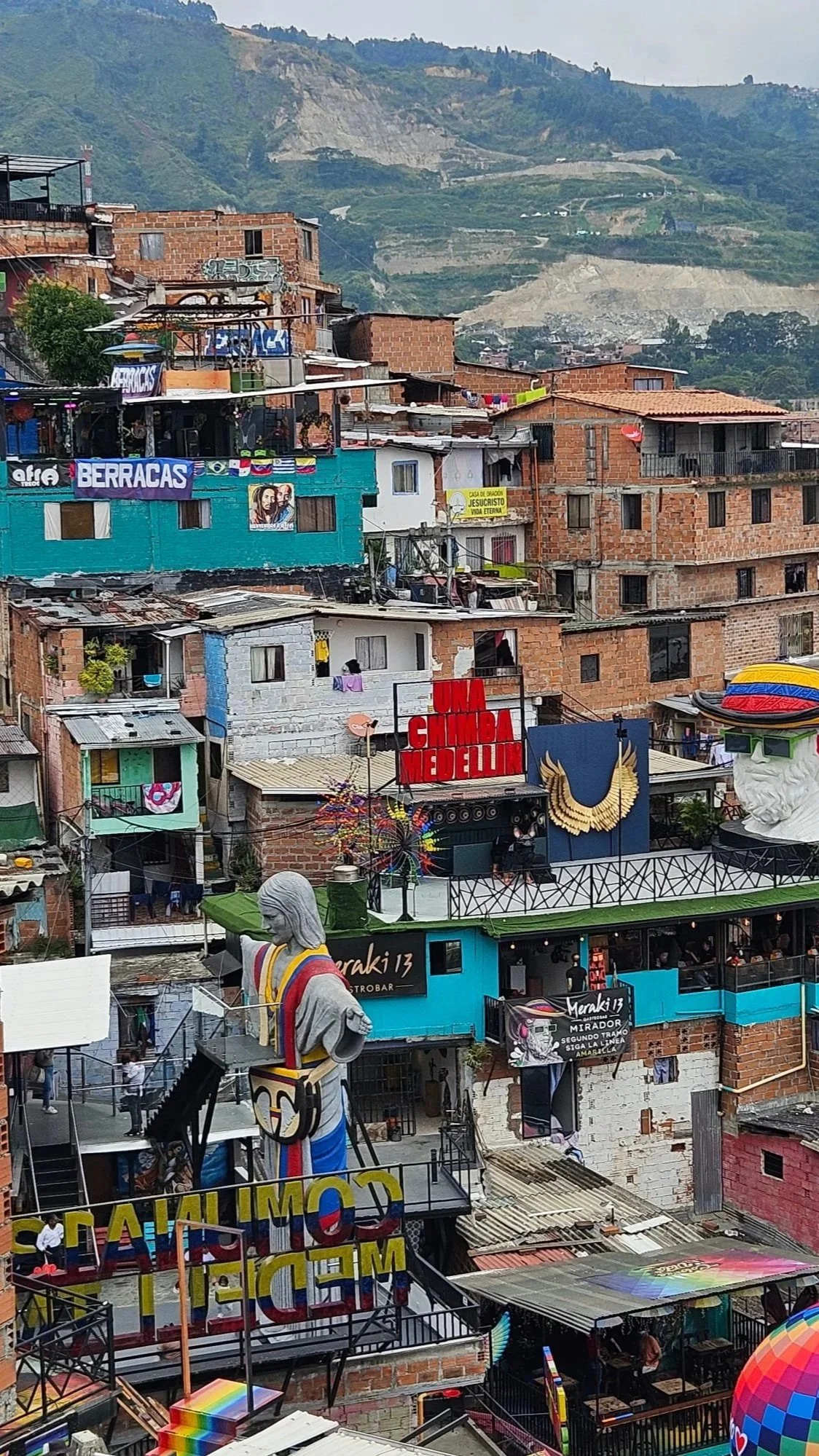
Comuna 13, Medellín
Medellín is not the city it was in the 1980s. It has undergone an extraordinary transformation and is now home to a thriving digital nomad community, a buzzing tourism industry, and neighborhoods once marked by violence that are now filled with art, music, and hope.
And who do we have to thank for much of this incredible transformation? Women.
What is Comuna 13?
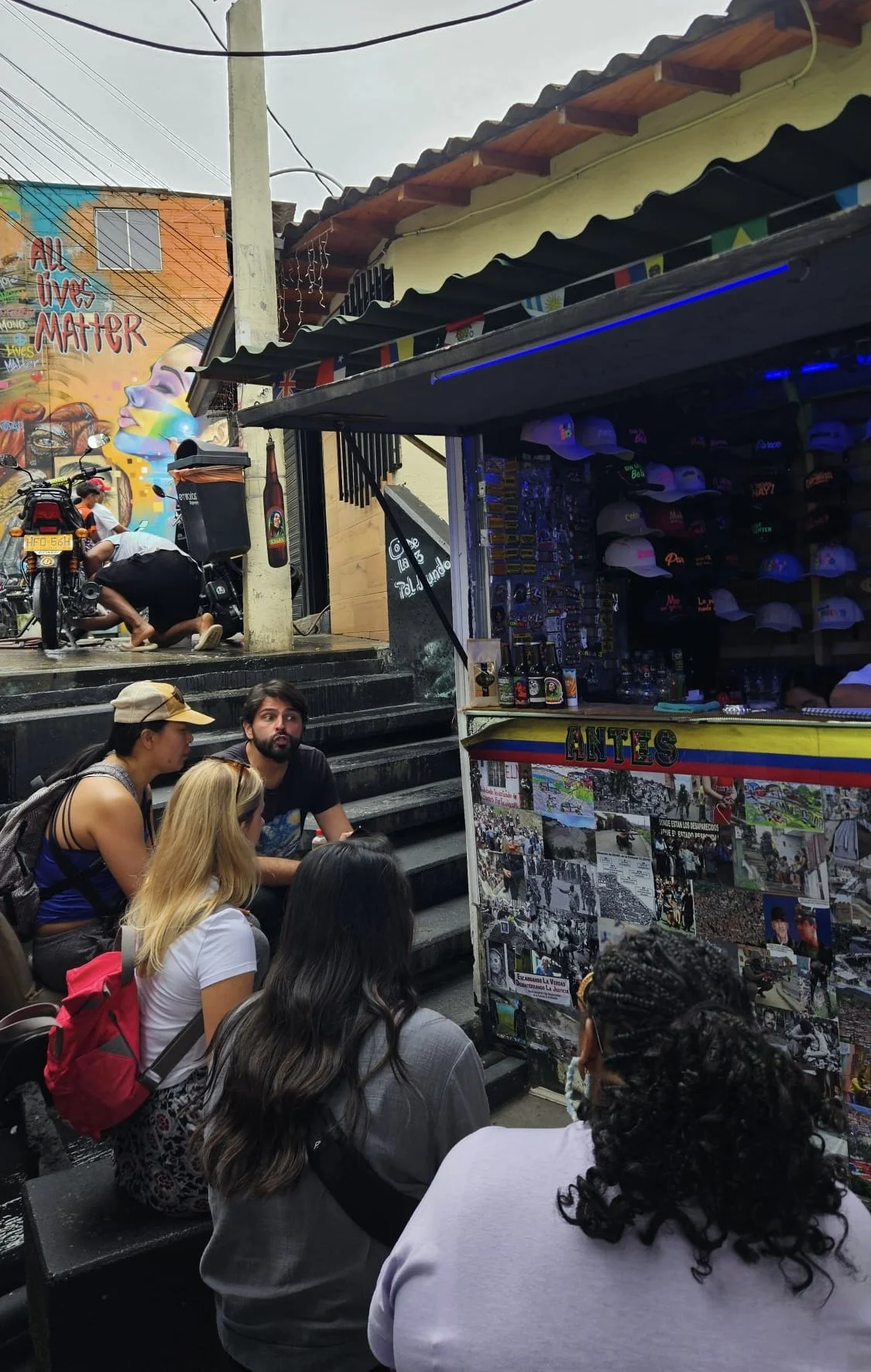
Walking tour of Comuna 13
Comuna 13 is a district in Medellín with an extremely violent past.
The infamous drug lord, Pablo Escobar, used Comuna 13 as a strategic base for his cartel operations. Its location on the mountainside made it ideal for arms and drug trafficking, and the district quickly became a battleground as conflict escalated between cartels, guerrilla groups, paramilitaries, and the police.
During the 1980s and 1990s, as Escobar controlled much of the global cocaine trade, the violence intensified. Tragically, it was the local people who paid the highest price. Families lost loved ones, communities were torn apart, and fear became part of daily life.
Even after Escobar's death, Comuna 13 was left in a volatile state as many criminal networks tried to claim power. Left with these dark circumstances, it was the women in the community who refused to let violence define their future.
The Woman Leading The Transformation: Paola Rivas
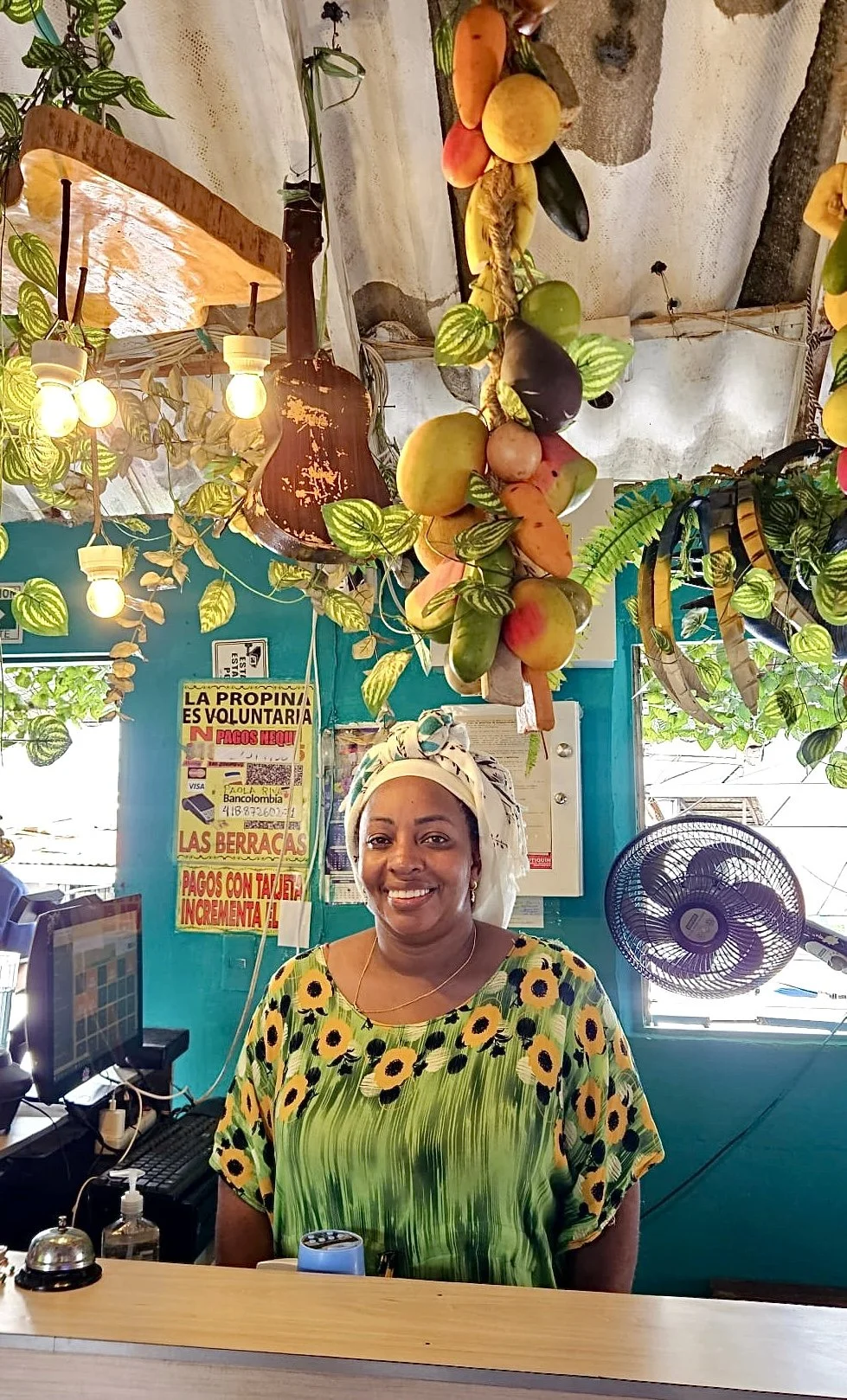
Paola Andrea Rivas Chaverra
In 2010, the people of Comuna 13 began the difficult journey of rebuilding their community. At the forefront of this movement was one incredible woman: Paola Andrea Rivas Chaverra.
I had the immense honor of meeting Paola and hearing her story firsthand during my trip to Medellín. In her bustling restaurant, with views of the Comuna 13 valley, Paola told me all she has done for her community and everything she is continuing to do. She is exactly the kind of woman who inspired the mission behind my business: a woman who, against all odds, built something powerful and used that success to lift up her entire community.
In Colombia in the 1990s, it was uncommon for women to work outside the home. Traditional gender roles meant women were expected to care for the family while men were the financial providers. (An imbalance that, unfortunately, still exists in many of the communities I’ve visited around the world.)
During the drug wars, many women, Paola included, lost their husbands to the violence. Suddenly left without financial support, she was forced to find a way to provide for her family. So she created one.
Paola opened Berracas de la 13, a restaurant serving hearty Colombian cuisine inspired by Pacific flavors.
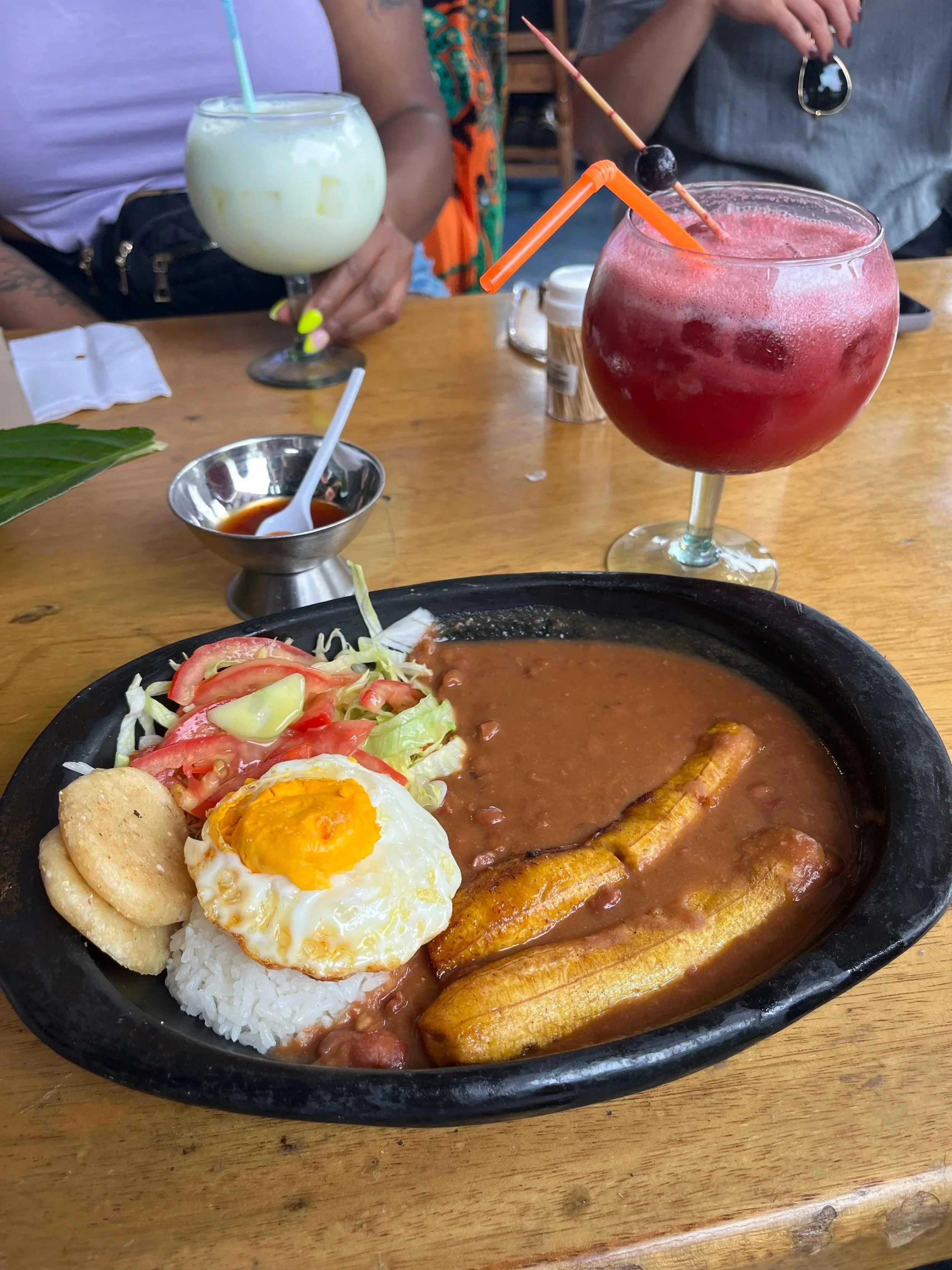
Bandeja Paisa
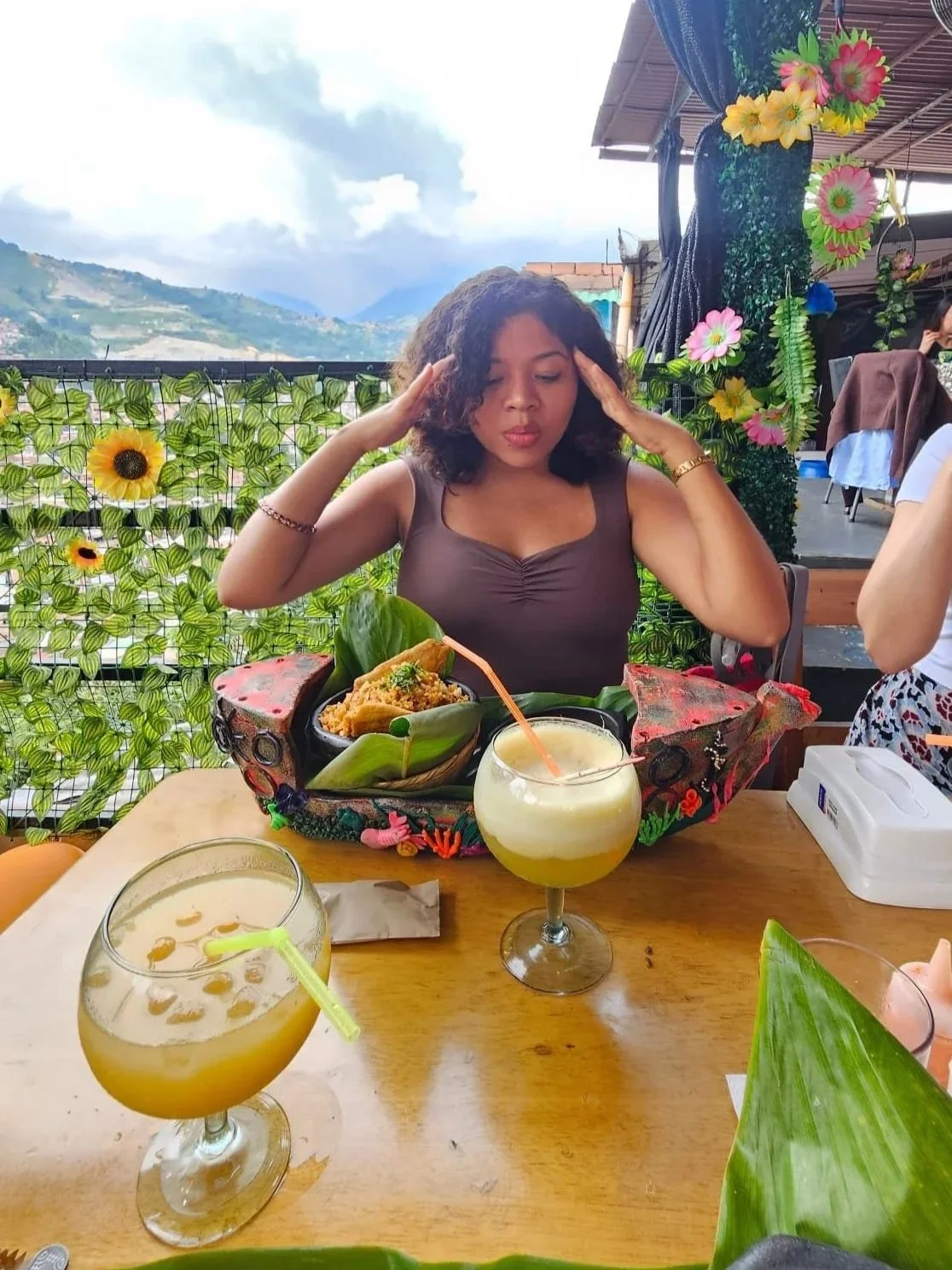
Paola makes sure no one leaves hungry.
At the time, starting her restaurant wasn’t an inspiring social giveback initiative. It was a matter of survival.
Paola needed income in a society where women were not being hired, so entrepreneurship became her only option.
Today, Paola’s restaurant employs 18 other women, all of whom lost loved ones to the violence of the drug wars. What started as a need for personal financial security grew to give others the opportunity to support their families and regain independence.
Paola didn’t stop there.
She uses the success of her restaurant to fund outreach work in the community, advocate for women affected by cartel violence, and push for systemic change. She fights for legal reform, gender equality, and reparations for women who suffered during the years of conflict.
Ensuring A Brighter Future
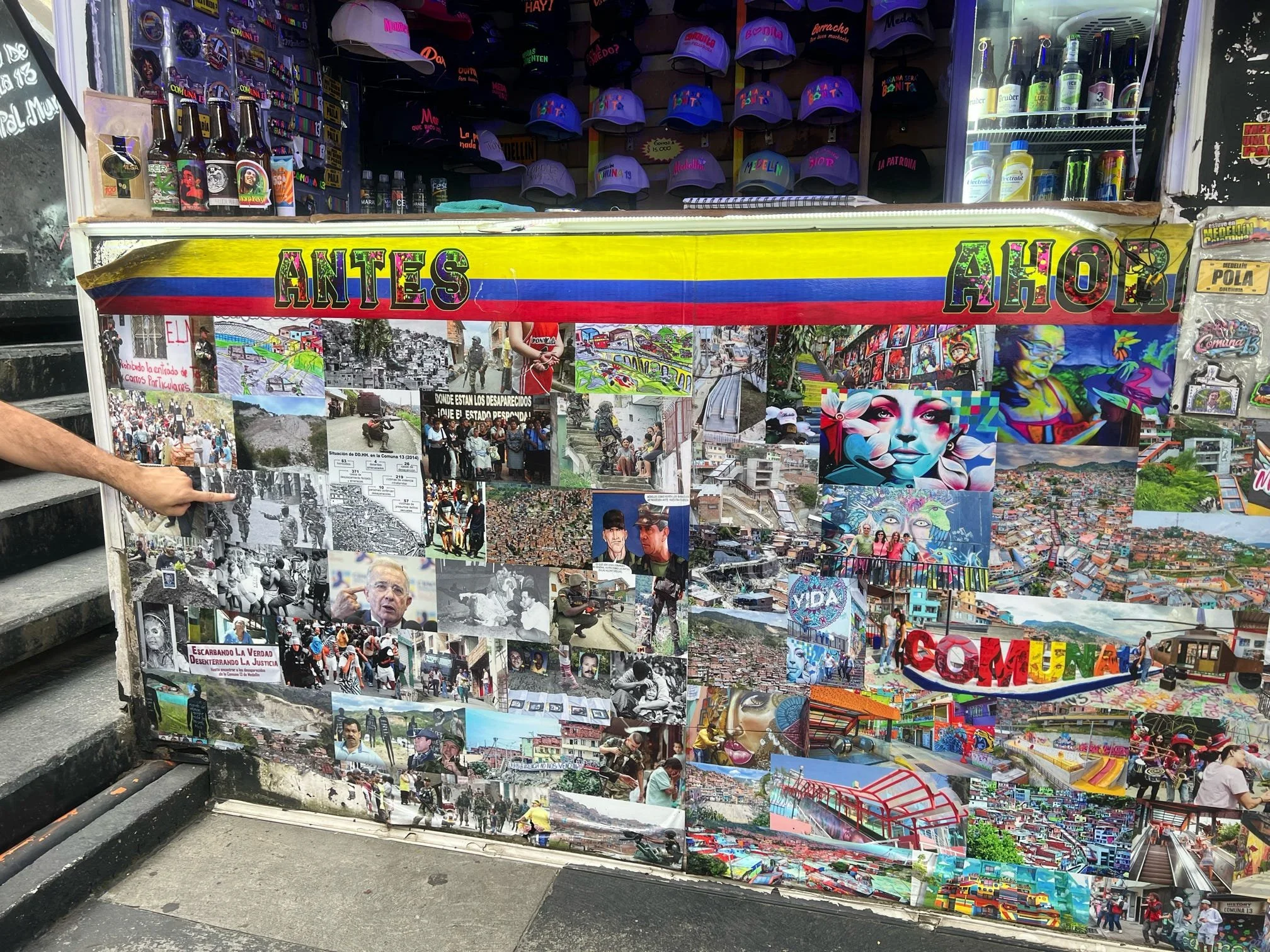
Photo wall showing the violent past on the left and the bright future on the right.
When I asked Paola what she considered her greatest achievement, she said it was nurturing the next generation. She funds scholarships for young girls so they can continue their education. This is deeply personal to her, as a scholarship gave her the education needed to become a leader. She wants other girls to have the same opportunity.
She has also worked to help young people who were wrongly incarcerated, giving them another chance to build a future. Her mission is to ensure Comuna 13 never falls back into violence.
“Women Are Ignored”
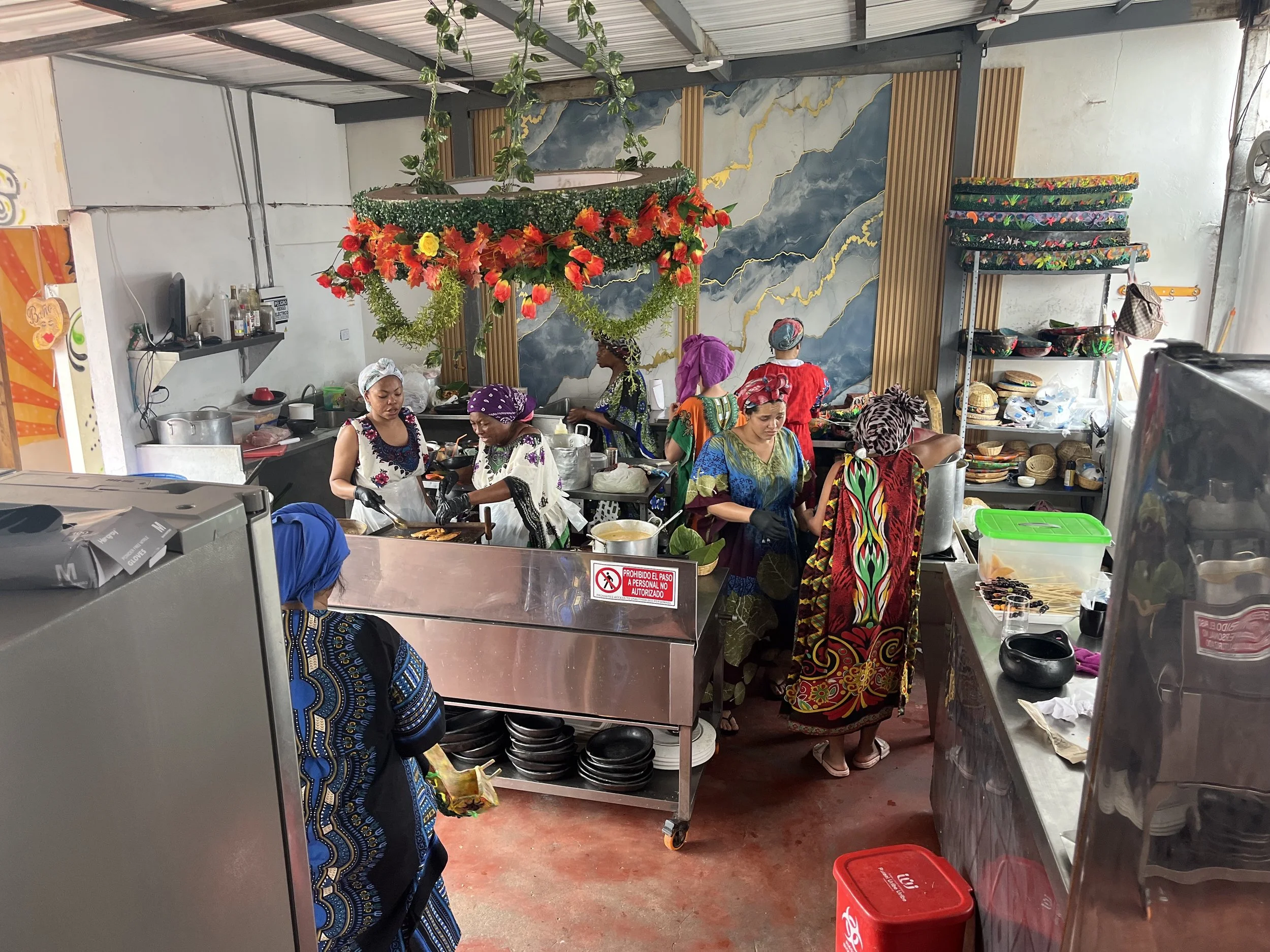
Berracas de la 13 is run entirely by women.
This statement that Paola made stuck with me. She explained that women are often overlooked by the men in power, but they are the ones who transform communities.
Men go off to work every day, while women stay home and see what their neighborhoods need. They see the dangers their children face, and that is often the reason they demand change. Paola refused to accept that violence was Comuna 13’s norm.
Paola did what so many women do, and didn’t boast about how incredible her story is (even though she has every right to be proud of her accomplishments). She made the entire situation sound so matter-of-fact. “Our only choice was to become leaders and fix the problems ourselves.” And that’s exactly what they did.
Today, Paola is a highly respected community leader who continues helping other women step into positions of influence. She told me that many of Medellín’s most successful communities now have female leadership.
Her work is far from over, but she described the rebuilding process beautifully:
“We are re-sewing the fabric of society. It’s a slow process, but each stitch is a step forward.”
Women Rebuilding Beyond Comuna 13
Comuna 13 is not the only place where women have led transformation in Medellín.
In Moravia, a central neighborhood, women transformed what was once a landfill into a green urban community space. Like the women of Comuna 13, they endured devastating losses during the drug wars. Yet instead of allowing their community to be defined by hardship, they rebuilt it.
Women are so incredible! One woman in power can create incredible change, but when multiple women rise together, the possibilities are endless.
How Women Reclaimed Comuna 13
Led by women like Paola, the people of Comuna 13 implement initiatives to transform the district.
Street Art
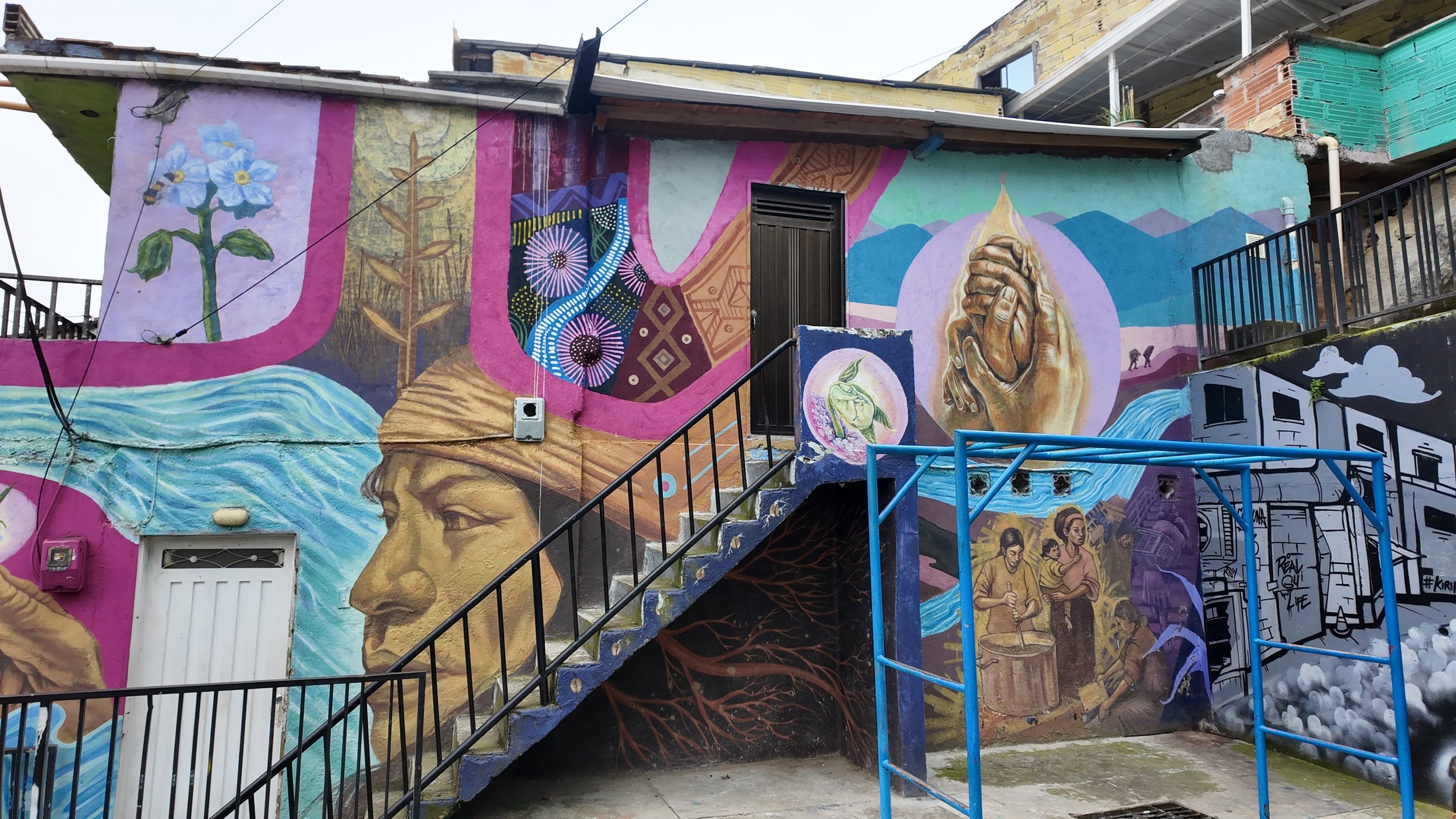
The murals tell stories of the challenges the community faced and how they overcame them.
One of the most visible changes was the street art. Walls once separating gang territory have become colorful murals of the stories of resilience. Female artists continue to expand this movement, turning every blank wall into a canvas. This creativity also helped boost tourism, as visitors are drawn to Medellín for mural tours.
Playgrounds
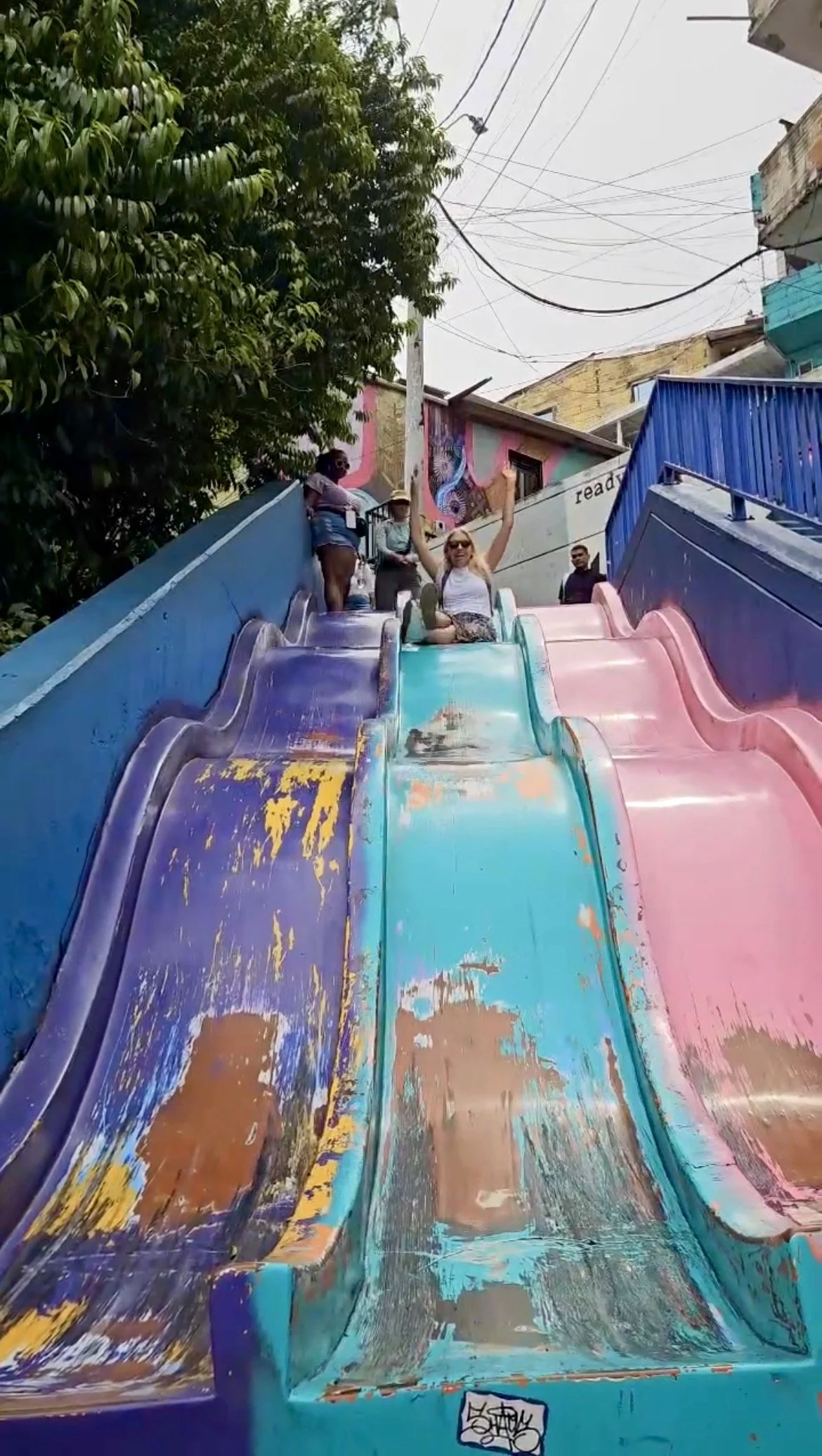
Visitors of all ages are encouraged to use the slides and bring more laughter to the neighborhood.
Safe spaces for children to play were also created throughout the neighborhood. Playgrounds were intentionally placed in areas where rival gang territories once met, encouraging children from different parts of the district to come together. The goal of the playgrounds was simple: to replace the sounds of violence with the sounds of laughter.
Escalators
Outdoor escalators were another key development. Since Comuna 13 is built into the hillsides, the escalators made it easier for residents and visitors to access shops, homes, and businesses. The increased mobility improved the economic standing of the neighborhood.
Hip Hop Crews
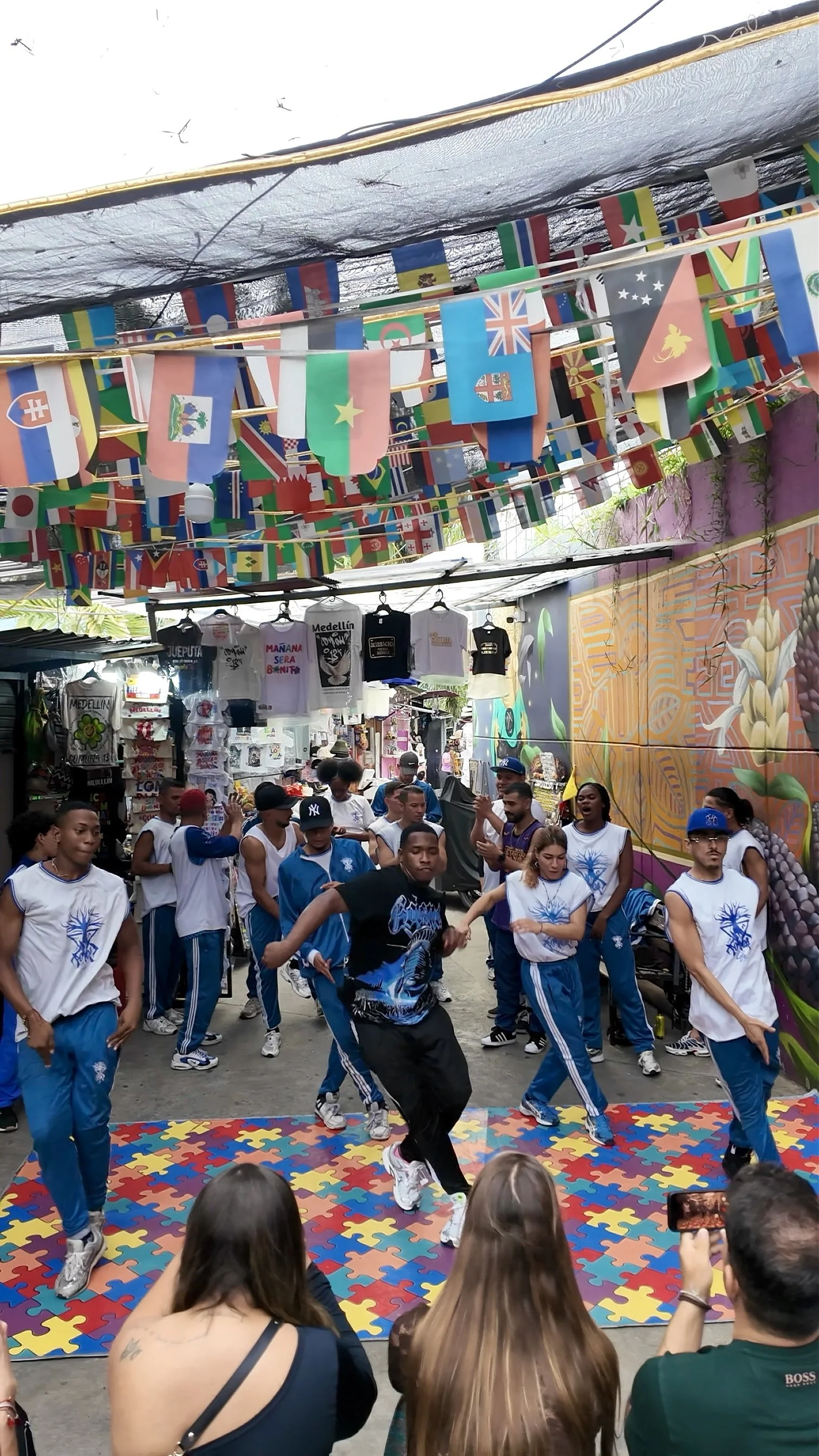
Hip hop street performance
Street performance groups were also introduced to provide young people with community and belonging. This extracurricular activity created an alternative to gang recruitment. Walking around Comuna 13, you’ll see the hip hop dancers performing in designated areas.
The women leading this transformation understood something important: growth must be sustainable. They knew tourism could bring opportunity, but they also knew it could bring negatives. They have worked hard to advocate for responsible, community-centered tourism that protects both the people and the environment.
How Visitors Can Support The Community
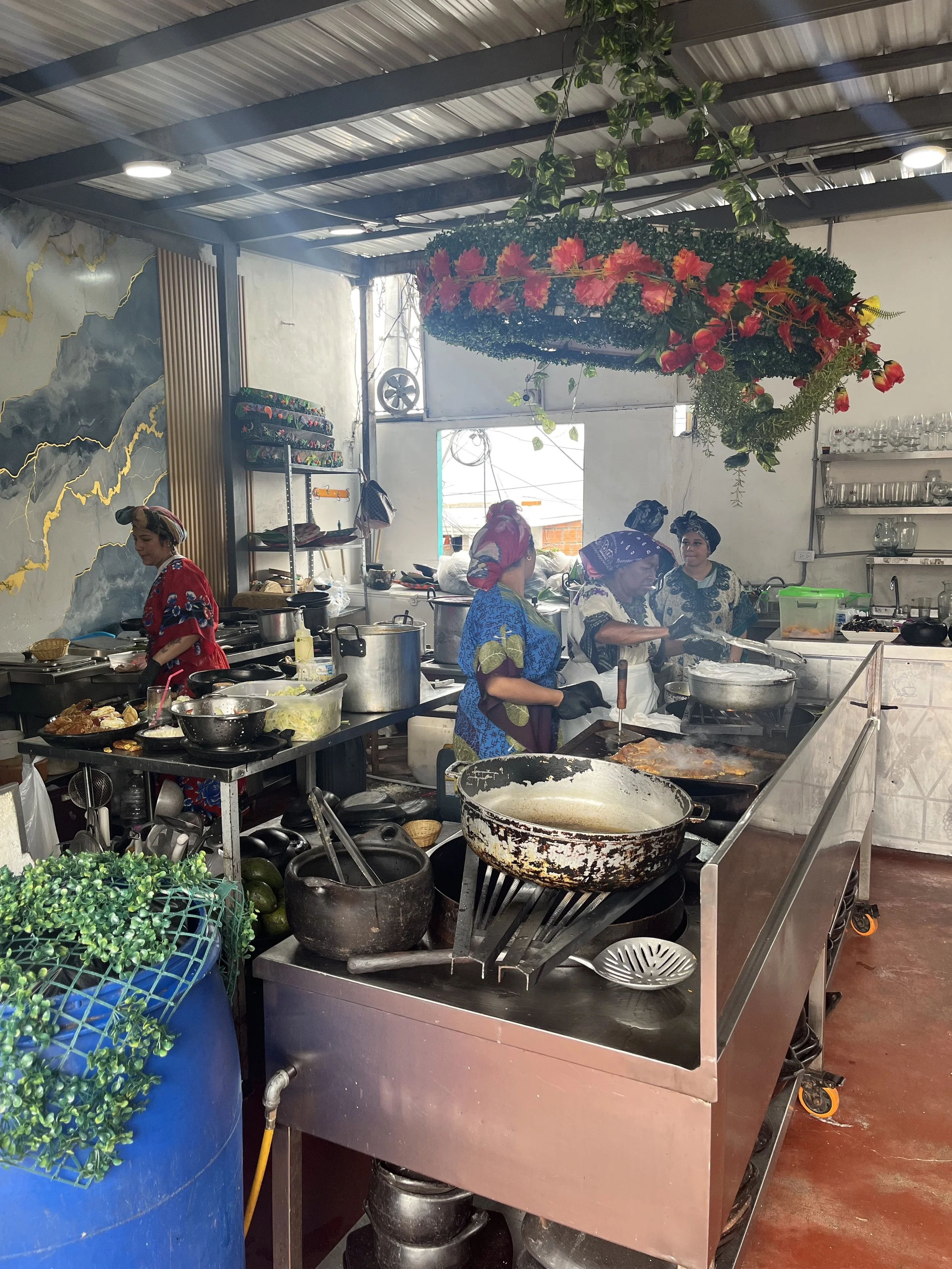
Visit Berracas de la 13 when you are in Medellín.
The best way to support Comuna 13 is to visit intentionally. Take a local tour, eat at the community restaurants like Berracas de la 13, and buy souvenirs from local artisans.
Your presence helps sustain the businesses and women rebuilding the community. Tourism also discourages criminal groups from regaining control.
Comuna 13 Today
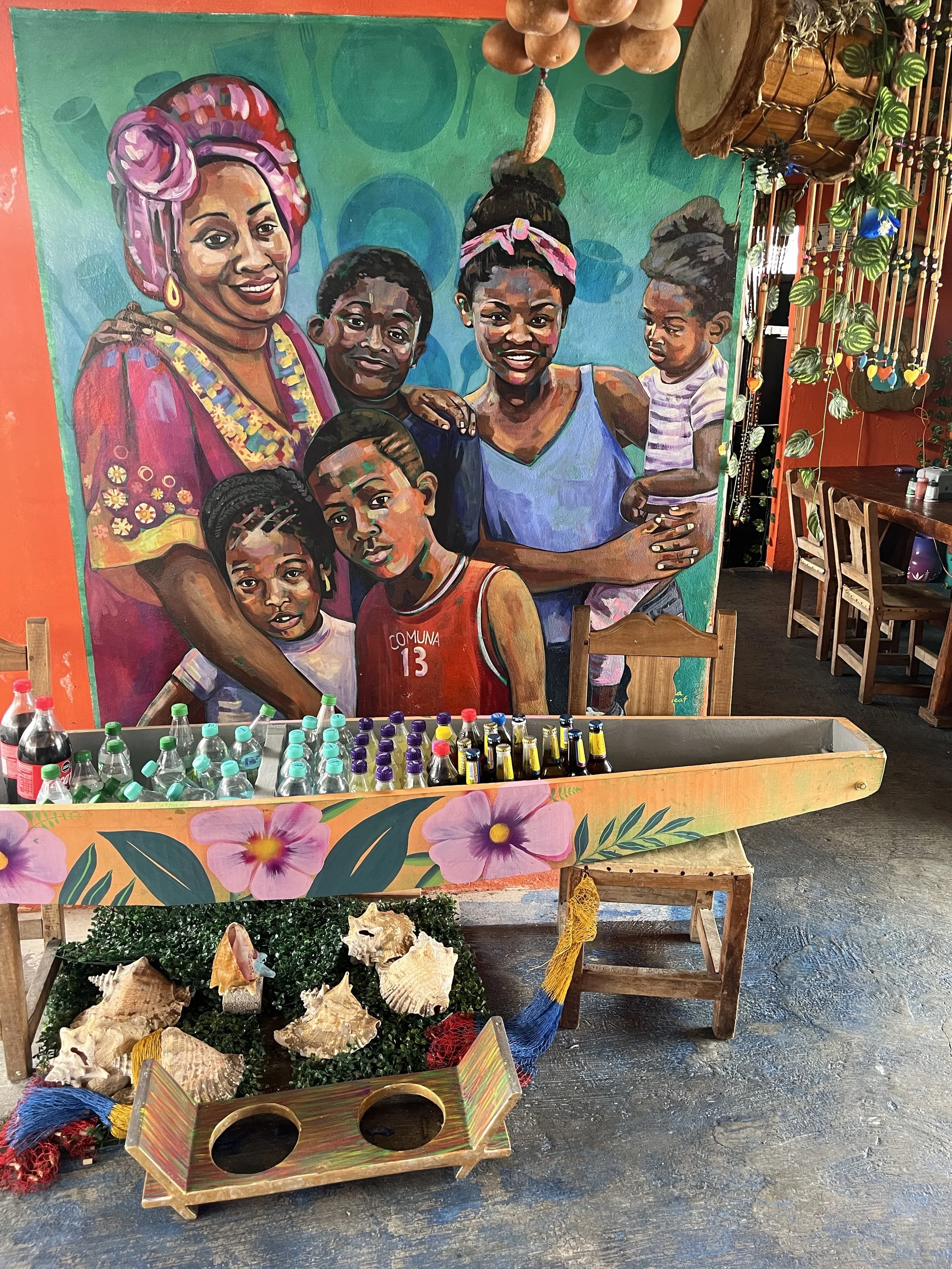
Paola did everything to provide for and protect her family.
The streets of Comuna 13 are filled with music, murals, rooftop viewpoints, restaurants, local shops, and community pride. The neighborhood has acknowledged its painful past while working every day to ensure that violence never takes hold again.
Paola and the women of Comuna 13 are still fighting for equality, justice, and long-term opportunities for women. Their work reminds us that rebuilding a community is not one dramatic moment, but thousands of acts of courage.
