
The Dearden Group’s 2026 Marketing Predictions
Word Of The Year: Whimsical
Definition: Something fanciful, playful, imaginative, and often a little quirky; evoking a lighthearted, sometimes childlike sense of wonder
1. Brands Will Let Their Personalities Shine
Consumers aren’t interested in the overly curated, perfectly aesthetic brands anymore. The “sad beige” era is officially out. Simple and clean can quickly read as boring, and be hard to connect with. The more personality you show in your brand, the stronger the connection will be.
Don’t be afraid to show the heart and soul of your business. When you do, you’ll naturally attract more of the people you actually want to work with. Be fun. Be playful. Be creative. Even in drier industries, like insurance or data analytics, you can find ways to interject personality into your messaging. People buy from people they like. Humanize your brand, try new things, make mistakes, and let it all be seen. Authenticity beats perfection every time.
We saw the public speak up about this in a big way in 2025. Cracker Barrel’s rebrand from country to clean lasted less than a week after its core audience made their feelings known. When Pantone announced its color of the year was white — sorry, I meant “Cloud Dancer” — people flooded social media with posts rejecting it and adding even more color to their homes. The message was loud and clear: people want real, whimsical brands in their lives.
Actionable Tactic:
Audit your brand and look for places where you can inject more personality. Build your content strategy to include at least two fun or humorous posts per month. Share a personal story on your blog in between factual or informative articles. Update your website landing page so it sounds different from your competitors. Play around with it. Have fun. People will prefer it.
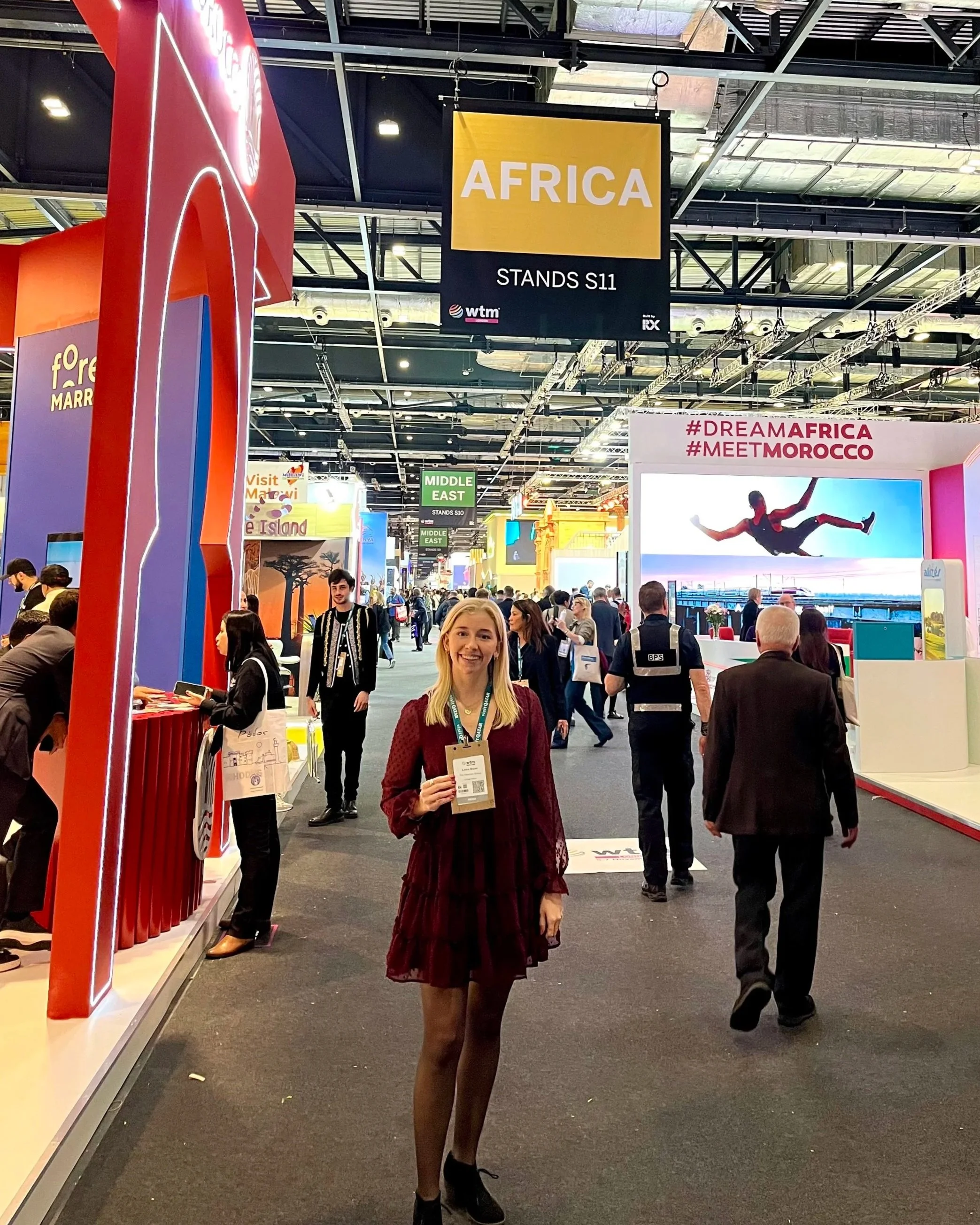
Attend in-person events near you to connect with your target audience
2. Face-to-Face Marketing Will Come Back Stronger Than Ever
In-person networking will be big in 2026. With so much competition on social media, small businesses are turning back to face-to-face events to grow their audiences.
I’ve heard from countless business owners who made one great connection at an event, and that single person went on to sing their praises to others. (If you’re that person for me, THANK YOU!) The power of in-person marketing is getting word-of-mouth referrals. The ripple effect of showing up in real life is often underestimated.
Think about it, it’s much harder to scroll past someone in person. You get more of their time, more of their attention, and the opportunity to pitch your business face-to-face.
Actionable Tactic:
Register for two in-person events in Q1. Look into local business councils for networking happy hours, women’s business clubs for lunch-and-learns, and community business fairs. There are likely events happening near you that you didn’t even know existed. It’s a chance to meet new people, support other small businesses, and grow your following.
And yes, I take my own advice. My two events are a vision board workshop in January and a women’s coffee connection in February.
Hint: Bring a business card to leave behind, but remember our word of the year. Skip the stuffy templates, and make your card fun and memorable. You can put whatever you want on it.
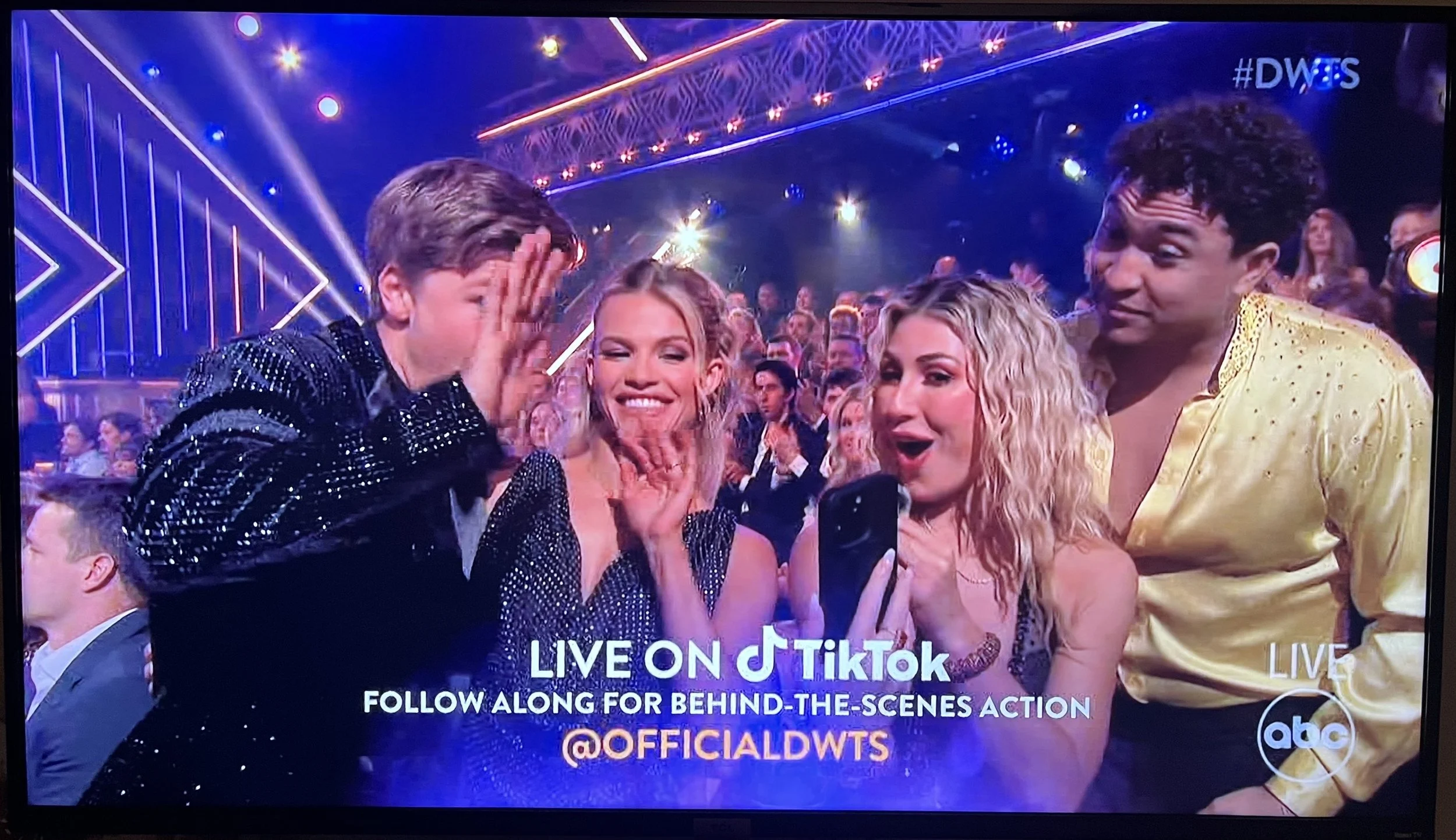
DWTS encouraged the consumer behavior of streaming content simultaneously with DWTS live on TikTok at the same time as the live show on ABC
3. Simultaneous Content Intake From A Single Brand Will Be The Goal
Last year, I predicted that the future of marketing would involve brands engaging audiences on two platforms at the same time. We already know consumers do this naturally; think watching Netflix while scrolling social media. (Chances are, as you browse this article, you have a second screen nearby) The opportunity now is for brands to adapt to that behavior and intentionally capture attention across two platforms at once.
We saw this executed beautifully in 2025 by Dancing With The Stars. While the show aired live on TV, it also streamed on TikTok. During commercial breaks, viewers stayed engaged through TikTok Lives hosted by pros and celebrities, sharing behind-the-scenes moments from the ballroom. By acknowledging the average viewer's attention span and making content around that, DWTS saw less channel surfing and stronger engagement.
Actionable Tactic:
While most small businesses don’t have the resources for a TV show and TikTok Live, that’s okay, there are still things you can do. Think creatively about how you could hold attention in two places at once. Are you a fantasy author who creates an epic Spotify playlist people listen to while reading your book? Are you posting how-to videos on YouTube that come with a digital notebook for your audience to follow along? Focus on what would genuinely add value for your audience.
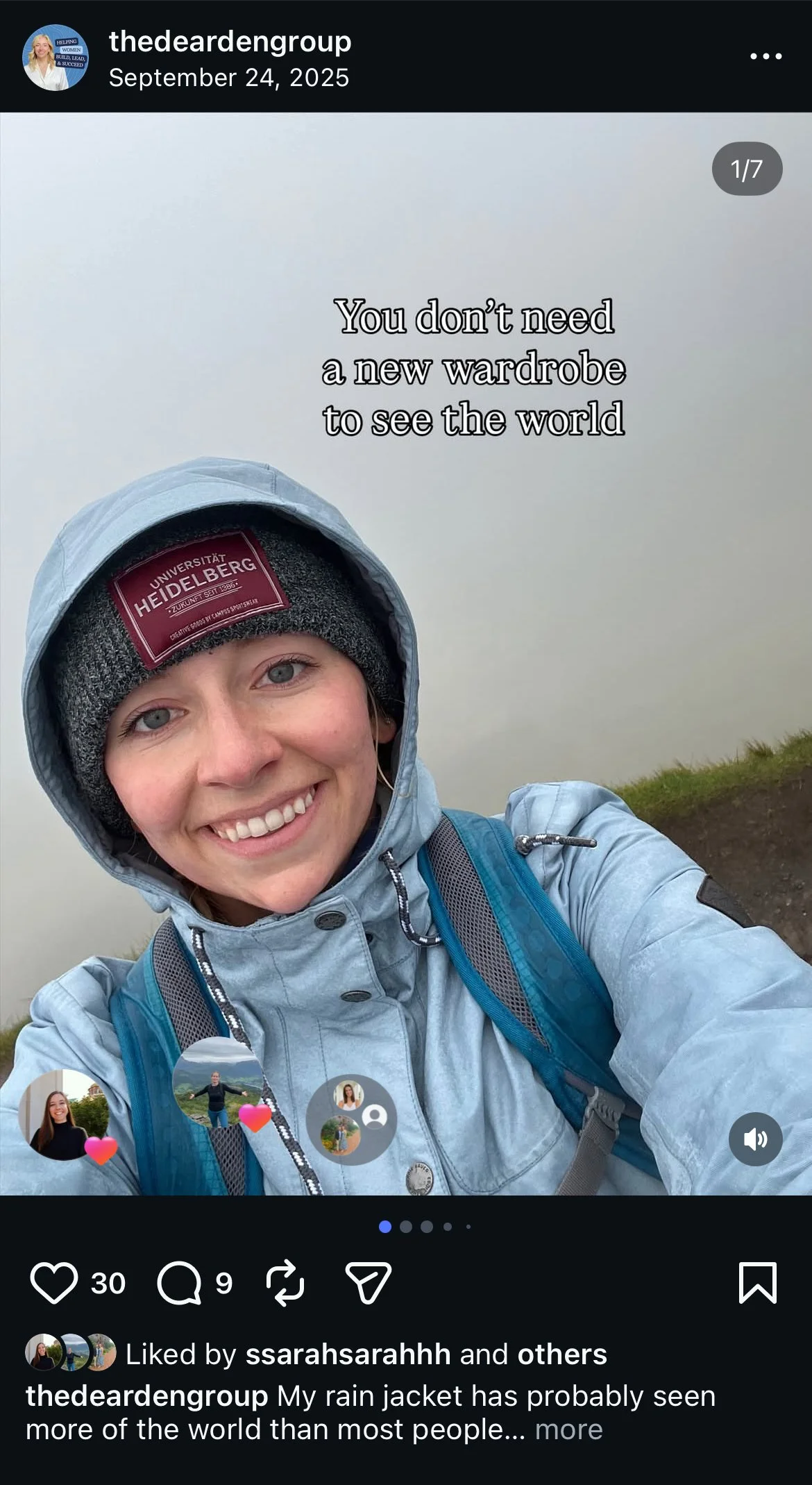
Don’t ignore cultural shifts in your industry. Instead, address them and share your position.
4. Brands Will Take A Stand
Personified brands have opinions. And right now, there’s a lot happening in the world to have an opinion on: environmental crises, political unrest, and safety concerns. As a brand, you may be tempted to ignore it all. Instead, make your position known if you feel strongly about a topic. Tell your audience your position and show how your business decisions align with that stance.
For example, travel undeniably contributes to environmental issues. Travel brands that acknowledge this, offer solutions, and actively demonstrate how they’re doing better will gain more support than brands that stay silent.
The environment is something I care about, so I make my position on this topic known. I consistently tell my audience of solo female travelers that you don’t need a new wardrobe to see the world (fast fashion is so unsustainable). Then I show myself wearing the same outfits in multiple countries as support of my claim. Alignment matters.
Actionable Tactic:
Identify a cultural shift that directly relates to your industry. Without attacking or alienating others, how can you clearly show where your brand stands? People vote with their dollars every day. Brands that make their values visible will be stronger and more resilient.
5. Copy & Content Writers Will Be In High Demand
When ChatGPT and other AI tools were introduced, copywriters and content writers were among the first to feel the impact. Many businesses decided AI could do the same job faster and for free.
But AI has been around long enough now that the novelty has worn off. The promise of ease and convenience has faded as people realize the writing often feels hollow, lifeless, and unmistakably not human. There’s no whimsy in AI-generated content.
In 2026, businesses will rehire copy and content writers to give their brands a true voice. Writers who understand nuance, cultural references, humor, playful anecdotes, and emotional connection will be in high demand. Human writing, both short and long form, will be worth investing in.
Actionable Tactic:
Read through your digital presence (website, Instagram, newsletter, LinkedIn etc.). Does it sound like you, or does it sound like a generic version of everyone else in your industry? I challenge you to rewrite your Instagram bio, LinkedIn About section, and website homepage without the use of AI. You’ll be surprised how quickly people notice a difference.
6. Slow Marketing Will Build Loyal Communities
Going viral is not a marketing strategy. Hundreds of thousands of views on a single post may look impressive, but they don’t automatically translate to engagement, followers, or qualified leads. In 2026, brands will need multiple, high-quality touchpoints before consumers take action.
Be clear about who you are. Be consistent with your messaging. Show up again and again. Good marketing takes time to deliver an ROI, but when it does, you’ll have built a loyal community of people who actually want to be there.
Actionable Tactic:
Every month, share your brand story across all platforms. Introduce yourself, explain what you do, and who you serve. You can switch up the language and visuals, but the core message should stay the same. People should recognize your brand instantly.
It may feel repetitive, but it’s estimated that someone needs to see your brand at least seven times before they engage. Most small businesses quit their content strategy before then, saying, “This isn’t working.” In 2026, patience will be a major growth strategy.
