

Koala experience in Southern Australia
Chances are you’ve seen celebrities, from Taylor Swift to popes and presidents, posing with a cuddly koala in their arms on a visit to Australia. I’ve even done it myself! But could I be among the last tourists to have this experience with the famous marsupial?

Kangaroo Island Wildlife Park
Over the summer, the iconic Lone Pine Koala Sanctuary, where many stars have snagged their famous koala photos, announced that it will no longer offer its beloved koala cuddling sessions. After almost 100 years of using these experiences to raise awareness for koalas, the sanctuary will now limit interactions to meeting, petting, and photographing the animals—no more holding allowed.
While holding koalas has been banned in most Australian states for some time, it's still legal, under strict regulations, in Queensland and South Australia. However, with Lone Pine Koala Sanctuary, one of Queensland’s top attractions, phasing it out, many are speculating whether the rest of the region will follow suit.

Koala holding is strictly regulated to protect the animal
Animal rights groups have long argued that keeping koalas in captivity is disruptive and stressful for these wild animals. Koalas, an endangered species, face numerous threats, including habitat loss from land clearing, bushfires, and the pressures of a growing human population. Protecting them, both in the wild and in captivity, is a critical priority for Australia.
Studies show that koalas, who naturally sleep up to 20 hours a day, are particularly sensitive to human interaction. The constant noise, excited squeals, and camera flashes interrupt their much-needed rest, making them anxious. In the wild, koalas conserve energy to digest the tough eucalyptus leaves that make up their diet, which is why peace and quiet are so essential to their well-being.

Matching shirts not included
So, why hasn't holding koalas been banned everywhere yet? While they’re crucial to Australia’s biodiversity, they’re also a big draw for tourism. Many animal reserves argue that allowing visitors to hold koalas helps people form a deeper connection with the species, encouraging support for conservation efforts. However, critics worry that it promotes unnecessary breeding in captivity, solely for tourism purposes, rather than genuine conservation.
As more tourists grow concerned about the impact of their interactions with wildlife, some are questioning whether holding koalas is truly ethical—similar to how riding elephants has become a hotly debated issue in parts of Asia. The future of wildlife tourism may lie in observing animals where they belong; think seeing a lion on an African safari, rather than in a zoo.

Cleland Wildlife Park
Although no nationwide ban on koala-holding has been announced yet, the trend seems to be shifting away from such practices. But don’t worry! Australia still offers plenty of incredible wildlife experiences. You can feed kangaroos at multiple wildlife parks (which, in my opinion, is just as cool as holding a koala) or catch the legendary crocodile show at the Irwin family's Australia Zoo.
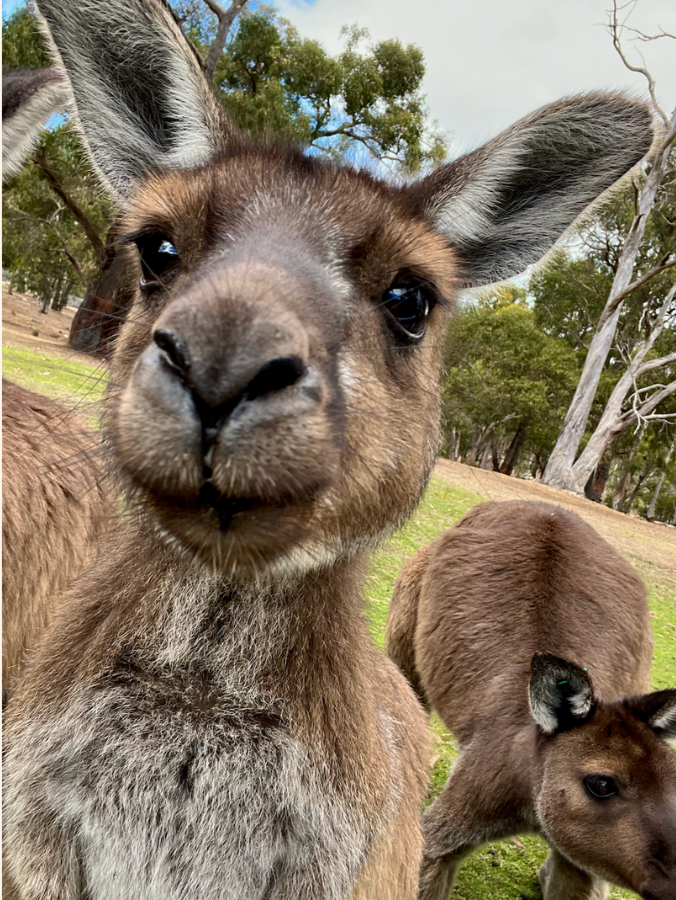
Feeding kangaroos in Australia was an amazing experience
While the days of holding a koala might be numbered, Australia’s rich wildlife will always offer unforgettable encounters—perhaps, even more rewarding when we appreciate these creatures on their own terms.
